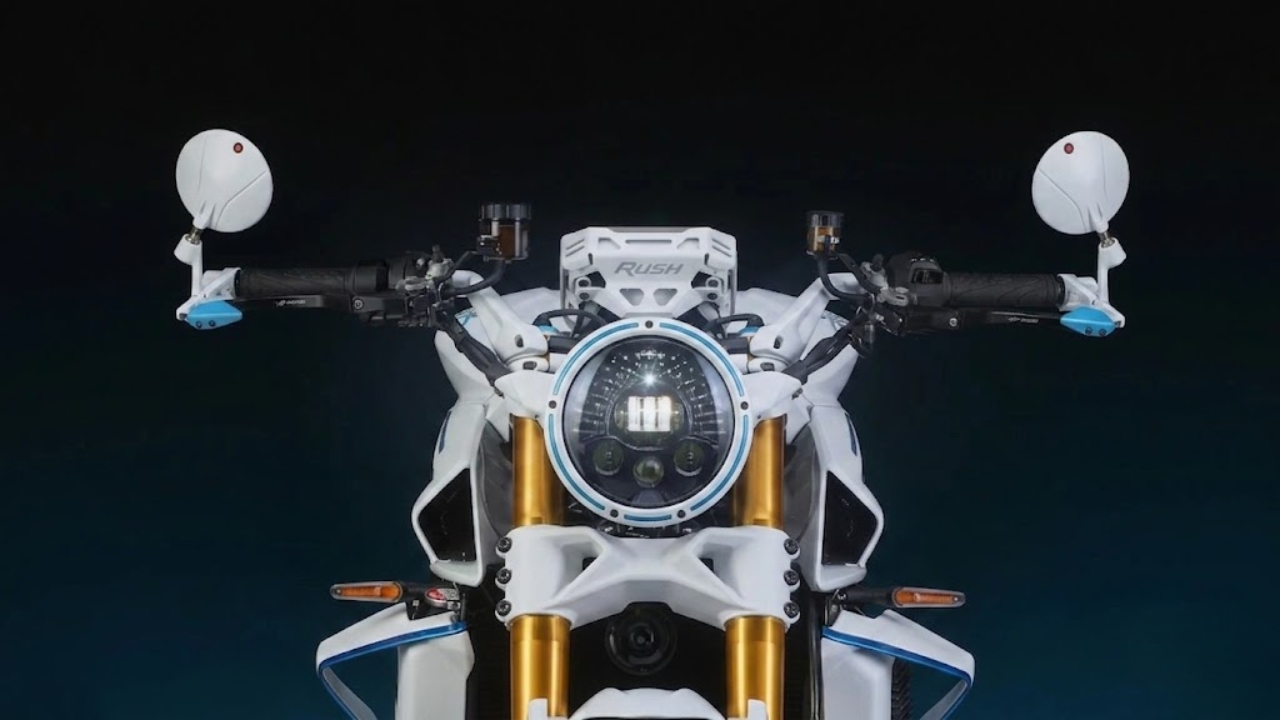
Italian motorcycles have long been revered for their exceptional design, innovative technology, and high-performance capabilities. With a rich history steeped in racing heritage and a relentless pursuit of engineering excellence, Italy has produced some of the most iconic and sought-after bikes in the world. In this article, we explore how Italian motorcycle manufacturers have mastered the art of materials and design, creating masterpieces that push the boundaries of performance while maintaining a strong focus on aesthetic beauty.
The Italian Legacy in Motorcycling
Italy’s influence in the world of motorcycling cannot be overstated. Brands such as Ducati, Aprilia, Moto Guzzi, and MV Agusta have etched their names in the annals of motorcycle history, each contributing uniquely to the development of motorcycle technology and design. From the early days of the 20th century, Italian manufacturers have consistently been at the forefront of innovation, combining cutting-edge materials with visionary design to create motorcycles that are as functional as they are beautiful.
This dedication to craftsmanship is reflected not only in the machines themselves but also in the culture surrounding them. Italian motorcycles are often considered works of art, a marriage of form and function that captures the essence of Italian style. Whether it’s a Ducati Panigale, known for its sleek and aggressive lines, or the timeless elegance of an MV Agusta F4, these motorcycles exude a sense of Italian passion and precision.
The Role of Materials in Italian Motorcycles
One of the hallmarks of Italian motorcycle design is the thoughtful use of materials. Over the years, Italian manufacturers have consistently led the charge in adopting and refining materials that enhance both performance and aesthetics. Carbon fiber, aluminum, titanium, and high-performance alloys are often used in the construction of critical components, such as frames, swingarms, and engine parts.
Carbon fiber, for instance, has become a symbol of lightweight strength and durability in the motorcycling world. Italian brands were among the first to use carbon fiber in motorcycle construction, and they continue to refine its use in high-performance machines. Ducati, for example, has long incorporated carbon fiber into its sportbikes, using it to reduce weight while maintaining structural integrity. The result is motorcycles that feel light and agile on the road or track, offering superior handling and responsiveness.
Similarly, aluminum is frequently used for frames and wheels, further reducing weight and improving the bike’s overall performance. Titanium components are used in areas where strength and heat resistance are crucial, such as exhaust systems and engine internals. These materials not only enhance the bike’s performance but also give it a distinct, high-tech aesthetic that aligns with the advanced engineering underneath.
Innovation in Design and Technology
The design philosophy of Italian motorcycle manufacturers is centered around performance, ergonomics, and beauty. Every curve, line, and angle is carefully considered to not only improve aerodynamics but also enhance the riding experience. Italian designers are known for their bold, yet refined approach to creating visually striking motorcycles that stand out on both the road and the racetrack.
For example, Ducati’s Panigale series, one of the most popular sportbike models in the world, exemplifies the brand’s commitment to both aesthetics and performance. The bike’s aerodynamic design is driven by advanced computational fluid dynamics (CFD) to ensure that it slices through the air with minimal drag. The angular lines and aggressive stance of the Panigale are as functional as they are visually appealing, contributing to its stability at high speeds while delivering an unmistakable visual identity.
The use of design to enhance performance is also seen in the development of motorcycle ergonomics. Italian manufacturers understand that the rider’s experience is just as important as the bike’s power and performance. As a result, Italian motorcycles are often designed with an emphasis on comfort and control. The positioning of the handlebars, foot pegs, and seat are meticulously crafted to provide an ideal riding posture for a variety of riders, ensuring that the bike is not only fast but also enjoyable to ride.
Racing Influence and Performance Engineering
The racing culture in Italy has had a profound influence on the development of its motorcycle industry. From MotoGP to World Superbike Championship (WSBK), Italian manufacturers have a long history of success on the racetrack, and the lessons learned in the heat of competition have directly translated into the performance of their consumer models.
Ducati, for example, has a deep connection to racing, with its motorcycles dominating the MotoGP and WSBK circuits. The technologies developed for racing bikes often make their way into the brand’s consumer models, with advancements in aerodynamics, suspension systems, and engine tuning being directly influenced by Ducati’s involvement in competitive motorsport.
Aprilia is another brand whose performance models are heavily influenced by racing success. The Aprilia RSV4, a flagship superbike, features a state-of-the-art V4 engine and advanced electronics that make it a formidable machine on both the track and the street. The use of cutting-edge materials and technologies, such as an aluminum frame and sophisticated traction control systems, ensures that the RSV4 is not just fast but also highly controllable, offering exceptional handling and stability under extreme conditions.
The constant drive for improvement on the racetrack pushes Italian manufacturers to innovate continuously, resulting in motorcycles that are not only fast but also some of the most technically advanced machines on the market.
The Aesthetic Appeal of Italian Motorcycles
While performance is at the core of Italian motorcycle design, the aesthetic aspect cannot be overlooked. Italian manufacturers have an uncanny ability to create motorcycles that are as beautiful as they are functional. The striking designs of Italian motorcycles have become synonymous with style, luxury, and performance.
Take the MV Agusta F4 as an example: its stunning design, with sleek curves and sharp lines, is immediately recognizable and iconic. The bike’s use of chrome accents, high-quality paintwork, and meticulous attention to detail create an alluring and elegant motorcycle that appeals to both riders and collectors alike. The F4’s design is a testament to the artistry involved in crafting a motorcycle that is not only a high-performance machine but also a visual masterpiece.
Ducati, too, has built a reputation for combining high-performance engineering with stunning aesthetics. The Ducati 1199 Panigale, for example, is a masterpiece of design, with its smooth lines, minimalist tail section, and integrated tail light. It’s a motorcycle that looks as fast as it rides, embodying the perfect balance of form and function that has become synonymous with Italian craftsmanship.
Conclusion
Italian motorcycles are a true fusion of engineering excellence and artistic vision. From the innovative use of advanced materials to the race-bred performance capabilities and stunning designs, Italian manufacturers have continuously set the standard for the global motorcycle industry. By pushing the boundaries of technology, performance, and aesthetics, they have created a legacy of motorcycles that are not just machines, but masterpieces.
Whether on the racetrack or the open road, Italian motorcycles offer an unparalleled riding experience that blends power, precision, and beauty in a way that only Italian craftsmanship can achieve. For motorcycle enthusiasts, owning an Italian bike is not just about performance—it’s about owning a piece of history and experiencing the passion that has defined Italian engineering for decades.
