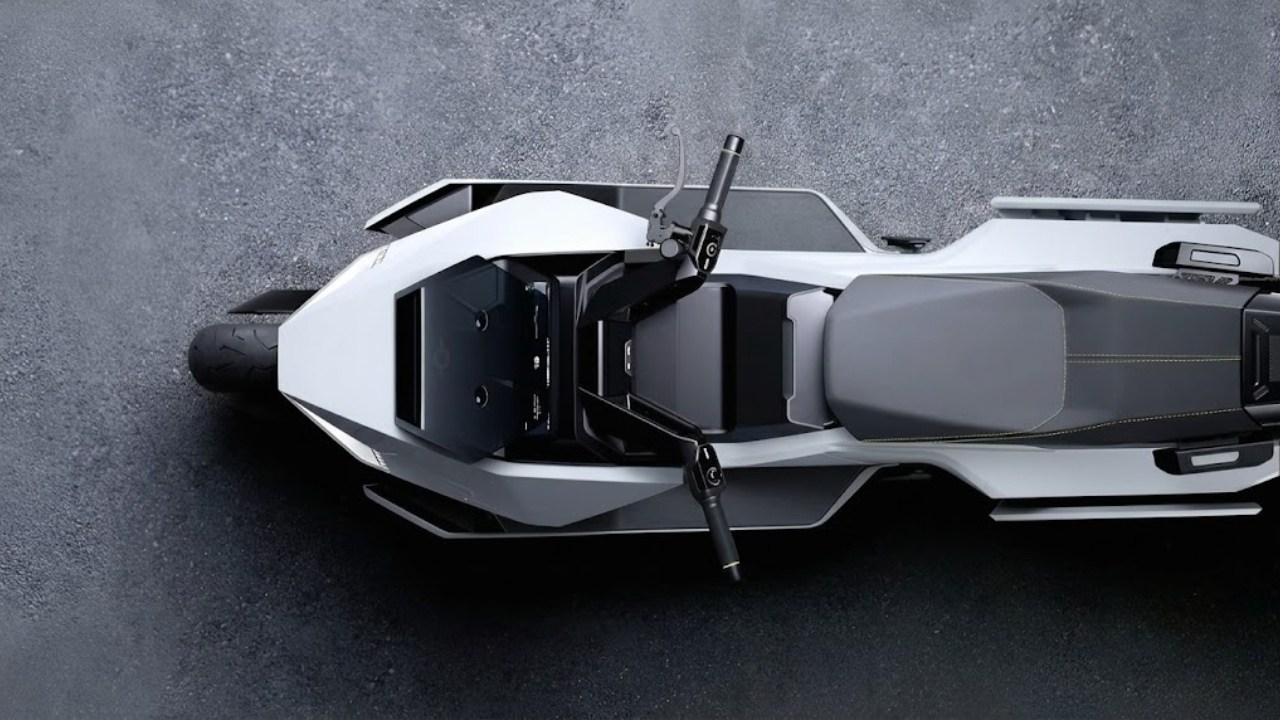
Cities are evolving faster than ever, and with that growth comes a complex web of commuting challenges. Traffic congestion, environmental concerns, rider safety, and comfort have all become pressing issues for daily commuters. In this landscape, the idea of a futuristic motorcycle commuter is no longer a distant concept but a necessary innovation. Designers and engineers are reimagining what a motorcycle can be, transforming it into a smarter, safer, and more efficient solution for modern urban life.
The futuristic commuter motorcycle is not just about aesthetics or speed. It is about solving real-world problems that riders face every day. By integrating advanced technology, ergonomic design, and sustainable materials, these next-generation vehicles promise to redefine how people move through crowded cities.
Tackling Traffic Congestion with Smart Agility
One of the biggest advantages motorcycles have always had is their ability to navigate through traffic. However, futuristic designs take this a step further by incorporating adaptive width systems, enhanced balance control, and AI-assisted maneuvering. Some concepts feature retractable wheels or adjustable frames that allow the motorcycle to shrink in tight spaces and expand for stability on open roads.
These innovations make commuting not only faster but also less stressful. Riders can glide through bottlenecks with greater confidence, aided by intelligent systems that analyze traffic patterns in real time. Integrated sensors and connectivity features enable the motorcycle to communicate with surrounding vehicles, reducing the risk of collisions and optimizing route efficiency.
Enhancing Rider Safety with Advanced Technology
Safety has long been a concern for motorcyclists, especially in densely populated areas. Futuristic commuter motorcycles address this issue with a comprehensive approach that combines hardware and software solutions. Advanced rider-assistance systems, similar to those found in modern cars, are being adapted for two-wheelers.
Features such as collision detection, blind-spot monitoring, and automatic emergency braking are becoming integral to these designs. Additionally, smart helmets connected to the motorcycle provide heads-up displays, navigation assistance, and real-time hazard alerts. Some models even include gyroscopic stabilization systems that help maintain balance at low speeds or during sudden stops.
The result is a significantly safer riding experience, where technology acts as a constant co-pilot, anticipating risks and assisting the rider in making better decisions.
Redefining Comfort for Daily Commuting
Traditional motorcycles often prioritize performance over comfort, which can make long or daily commutes tiring. Futuristic designs challenge this norm by placing rider comfort at the center of innovation. Adjustable seating positions, ergonomic handlebars, and advanced suspension systems ensure a smoother ride regardless of road conditions.
Climate-controlled seating and wind protection systems are also emerging features. These elements make commuting more pleasant in extreme weather, whether it is intense heat, heavy rain, or cold winds. Noise reduction technologies further enhance the experience, creating a quieter and more relaxing journey.
By focusing on comfort, these motorcycles become a practical alternative to cars, encouraging more people to consider two-wheelers for their daily travel needs.
Sustainable Engineering for a Greener Future
Environmental concerns are a major driving force behind the development of futuristic commuter motorcycles. Electric powertrains are at the forefront of this shift, offering zero-emission alternatives to traditional internal combustion engines. Advances in battery technology are enabling longer ranges, faster charging times, and improved durability.
In addition to electric propulsion, designers are exploring the use of lightweight and recyclable materials. Solar integration and regenerative braking systems further enhance energy efficiency. These innovations not only reduce the environmental impact but also lower operating costs for riders.
Sustainability is no longer an optional feature; it is a fundamental aspect of modern vehicle design. Futuristic motorcycles embody this principle by combining performance with responsibility.
Intelligent Connectivity and Smart Features
Connectivity is a defining characteristic of futuristic commuter motorcycles. These vehicles are designed to be fully integrated into the digital ecosystem, offering seamless interaction between the rider, the motorcycle, and the surrounding environment.
Smartphone integration allows riders to access navigation, music, and communication without distraction. Cloud-based systems store data on riding habits, maintenance needs, and performance metrics, providing valuable insights and predictive diagnostics. Over-the-air updates ensure that the motorcycle remains up to date with the latest features and improvements.
Voice control and gesture-based interfaces are also being introduced, making it easier for riders to interact with their motorcycles while keeping their focus on the road. This level of connectivity transforms the motorcycle into a smart companion rather than just a mode of transport.
Addressing Weather and Road Challenges
Commuters often face unpredictable weather and varying road conditions, which can significantly impact the riding experience. Futuristic motorcycle designs are addressing these challenges with innovative solutions such as adaptive traction control, all-weather tires, and semi-enclosed cabins.
Some concepts feature transparent canopies that provide protection from rain and wind without compromising visibility. Heated grips and seats ensure comfort during colder months, while advanced cooling systems help manage heat in warmer climates.
By adapting to different environments, these motorcycles offer a reliable and consistent commuting experience throughout the year. Riders no longer have to compromise on safety or comfort due to changing conditions.
Compact Design Meets High Functionality
Space is a premium in urban areas, and parking can often be a challenge. Futuristic commuter motorcycles are designed with compactness in mind, allowing them to occupy minimal space without sacrificing functionality. Foldable components, vertical parking capabilities, and lightweight structures make them easy to store and maneuver.
Despite their compact size, these motorcycles are equipped with advanced features and storage solutions. Built-in compartments for helmets, bags, and other essentials add to their practicality. The goal is to create a vehicle that is as convenient as it is efficient.
This balance between size and functionality makes futuristic motorcycles an ideal choice for city dwellers who need a reliable and space-saving mode of transport.
The Road Ahead for Motorcycle Innovation
The concept of a futuristic motorcycle commuter represents a shift in how we think about personal mobility. It is not just about getting from one place to another but about enhancing the entire journey. By addressing the toughest challenges of urban commuting, these innovative designs pave the way for a smarter and more sustainable future.
As technology continues to evolve, the possibilities for motorcycle innovation are virtually limitless. From autonomous riding capabilities to fully integrated smart city systems, the future holds exciting prospects for commuters around the world.
In this new era of transportation, the motorcycle is no longer just a symbol of freedom and adventure. It is becoming a sophisticated, intelligent, and practical solution for the demands of modern life.
