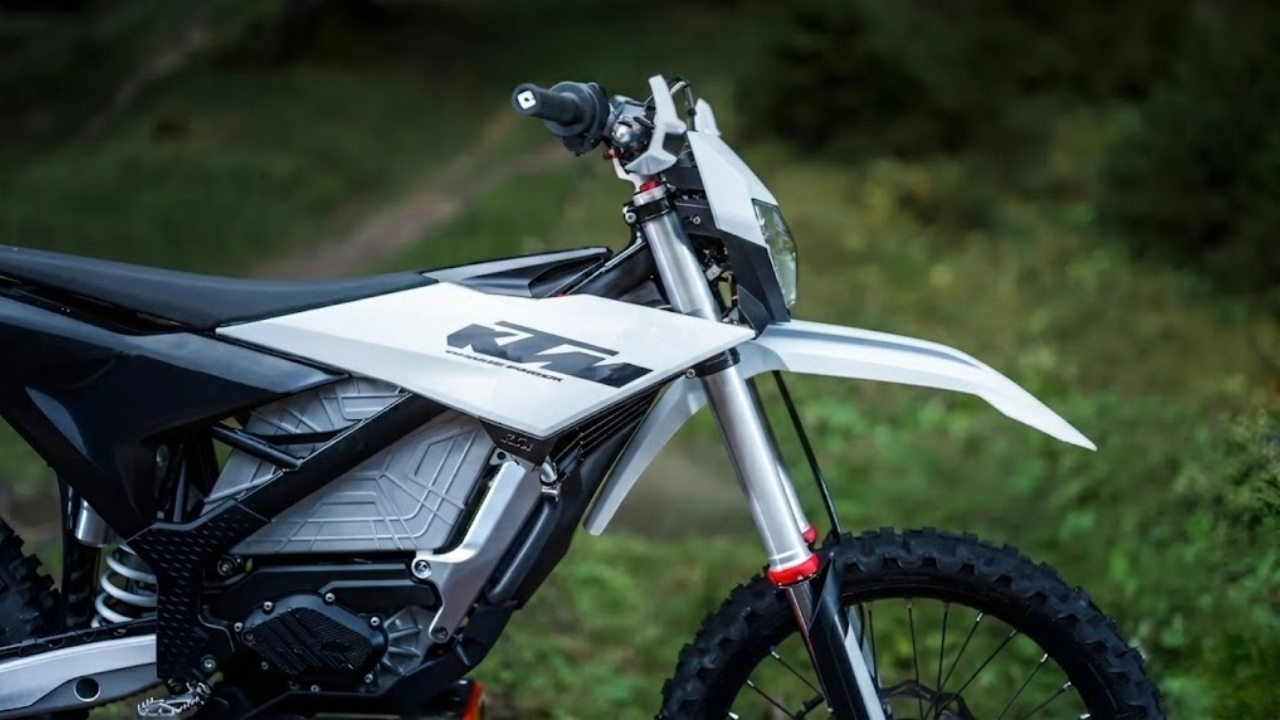
Enduro bikes have undergone a remarkable transformation over the past decade, evolving from niche machines designed for aggressive downhill trails into versatile all-rounders capable of handling nearly every terrain. Today’s next-generation enduro bikes are engineered to meet the demands of riders who want a single bike that can climb efficiently, descend confidently, and adapt to varying trail conditions without compromise.
The resurgence of the modern enduro bike reflects broader trends in mountain biking. Riders are no longer satisfied with owning multiple bikes for different purposes. Instead, they seek a do-it-all solution that performs exceptionally well across disciplines. This shift has driven innovation in geometry, suspension systems, materials, and component integration, resulting in bikes that are more capable and adaptable than ever before.
Geometry That Balances Power and Control
One of the defining features of next-generation enduro bikes is their progressive geometry. Designers have carefully refined frame angles and dimensions to strike a balance between stability and agility. Slacker head tube angles provide confidence on steep descents, while steeper seat tube angles improve climbing efficiency by positioning the rider more effectively over the pedals.
Longer reach and wheelbase measurements contribute to enhanced stability at high speeds, especially on technical trails. At the same time, shorter chainstays help maintain maneuverability, allowing riders to navigate tight corners and technical features with ease. This harmonious blend of geometry ensures that modern enduro bikes feel composed on descents without sacrificing responsiveness on climbs.
Advanced Suspension Systems for Every Terrain
Suspension technology has seen significant advancements, making modern enduro bikes more capable across a wider range of conditions. With travel typically ranging between 150mm and 180mm, these bikes are designed to absorb big hits while maintaining efficiency during pedaling.
Innovative suspension designs now offer improved small-bump sensitivity, better mid-stroke support, and enhanced bottom-out resistance. This means riders can tackle rocky descents, root-filled trails, and technical drops with confidence, while still enjoying a smooth and controlled ride.
Additionally, many bikes now feature adjustable suspension settings that allow riders to fine-tune performance based on terrain and riding style. Whether it’s a long climb or a fast descent, the ability to quickly adapt suspension characteristics adds a new level of versatility.
Lightweight Yet Durable Frame Construction
Material technology has played a crucial role in the evolution of enduro bikes. Modern frames are typically constructed from advanced carbon fiber or high-grade aluminum alloys, offering an ideal balance between strength and weight.
Carbon fiber frames provide exceptional stiffness and reduced weight, making climbs more manageable and handling more precise. Meanwhile, aluminum options remain popular for their durability and cost-effectiveness, appealing to riders who prioritize resilience over minimal weight savings.
Manufacturers have also improved frame designs to enhance durability in high-stress areas, ensuring that bikes can withstand the rigors of aggressive riding. This focus on longevity means riders can push their limits without worrying about compromising the integrity of their equipment.
Integrated Technology Enhancing the Ride
Next-generation enduro bikes are increasingly incorporating integrated technologies that enhance performance and convenience. Internal cable routing not only improves aesthetics but also protects components from dirt and damage. Some bikes even feature frame storage compartments, allowing riders to carry tools and essentials without the need for external packs.
Electronic shifting systems are becoming more common, offering precise and reliable gear changes with minimal effort. Meanwhile, dropper seatposts have become a standard feature, enabling riders to quickly adjust saddle height for optimal positioning during climbs and descents.
These technological advancements contribute to a more seamless riding experience, allowing riders to focus on the trail rather than their equipment.
Climbing Efficiency Meets Descending Confidence
One of the most impressive aspects of modern enduro bikes is their ability to excel in both climbing and descending. In the past, bikes with long travel and aggressive geometry often struggled on climbs, feeling sluggish and inefficient. Today, that trade-off has been significantly reduced.
Improved pedaling kinematics and lighter frame designs make climbing more efficient, even on steep and technical ascents. Riders can conserve energy and maintain momentum, making long rides more enjoyable.
When it’s time to descend, these bikes truly come alive. Stable geometry, powerful brakes, and responsive suspension systems provide the confidence needed to tackle challenging terrain at speed. This dual capability makes enduro bikes an ideal choice for riders who want to explore diverse trails without limitations.
Versatility for Different Riding Styles
The versatility of next-generation enduro bikes extends beyond terrain adaptability. These bikes cater to a wide range of riding styles, from casual trail exploration to competitive racing. Riders can customize their setup with different tires, suspension tuning, and component choices to match their preferences.
For those who enjoy long-distance rides, the efficiency and comfort of modern enduro bikes make them a viable option for all-day adventures. Meanwhile, aggressive riders can push the limits on technical descents, jumps, and drops, knowing their bike is built to handle the challenge.
This adaptability has made enduro bikes increasingly popular among riders who want a single machine that can evolve with their skills and ambitions.
The Influence of Enduro Racing
Enduro racing has played a significant role in shaping the design of modern bikes. The demands of competitive racing require equipment that performs consistently across varied stages, including steep descents, technical climbs, and high-speed sections.
Manufacturers have taken insights from racing environments and applied them to consumer models, resulting in bikes that deliver professional-level performance. Features such as improved braking systems, enhanced tire clearance, and optimized suspension designs are all influenced by the needs of competitive riders.
Even for those who never plan to race, these advancements translate into a better overall riding experience, with bikes that are more capable and reliable.
Sustainability and Future Innovations
As the cycling industry continues to evolve, sustainability is becoming an important consideration in bike design and manufacturing. Many companies are exploring eco-friendly materials and production methods to reduce their environmental impact.
Looking ahead, the future of enduro bikes is likely to include further integration of smart technologies, such as real-time suspension adjustments and performance tracking systems. These innovations could provide riders with valuable insights and enhance their ability to fine-tune their bikes for optimal performance.
At the same time, ongoing improvements in materials and engineering will continue to push the boundaries of what enduro bikes can achieve, making them even more versatile and capable.
Why the Next-Gen Enduro Bike Stands Out
The return of the next-generation enduro bike represents a significant milestone in the evolution of mountain biking. These bikes combine the best aspects of multiple disciplines, offering a level of versatility that was once unimaginable.
From refined geometry and advanced suspension systems to lightweight construction and integrated technology, every aspect of modern enduro bikes is designed with the rider in mind. The result is a machine that performs exceptionally well across a wide range of conditions, empowering riders to explore new trails and push their limits.
For modern riders seeking a single bike that can do it all, the next-gen enduro bike stands out as the ultimate choice. It embodies the spirit of innovation and adaptability, ensuring that no matter where the trail leads, the ride will be both capable and unforgettable.
